
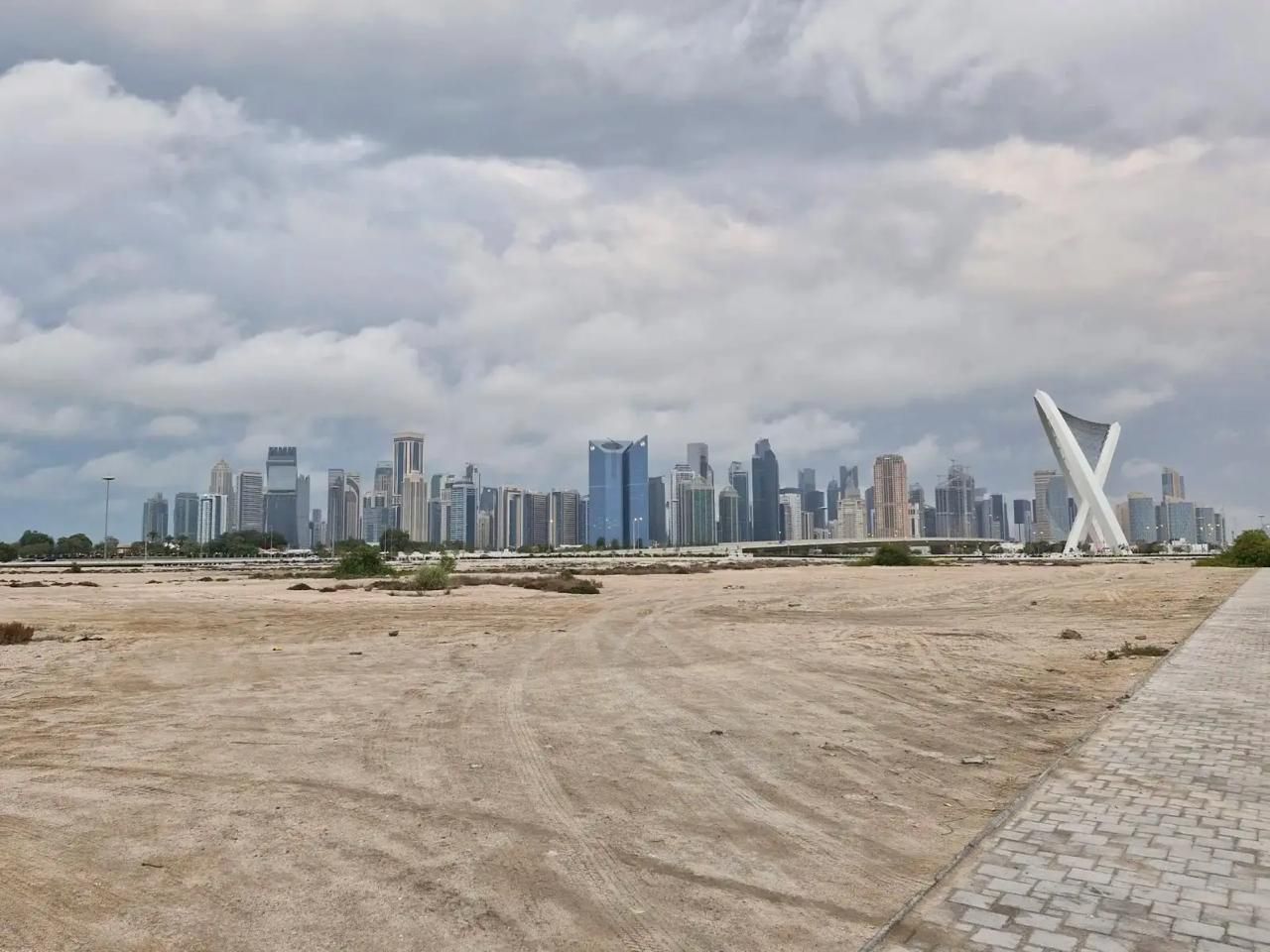
Life goes on.
Life goes on regardless of incoming missiles and ongoing uncertainty in Qatar, one of the six Gulf countries caught in the crossfire of the US-Israel-Iran war.
In my previous post, just four days into a growing conflict that is not ours, I related how scary and surreal everything was.
And it still is.
In fact, it’s even more scary and surreal today, given that life, bizarrely, really does just seem to carry on.
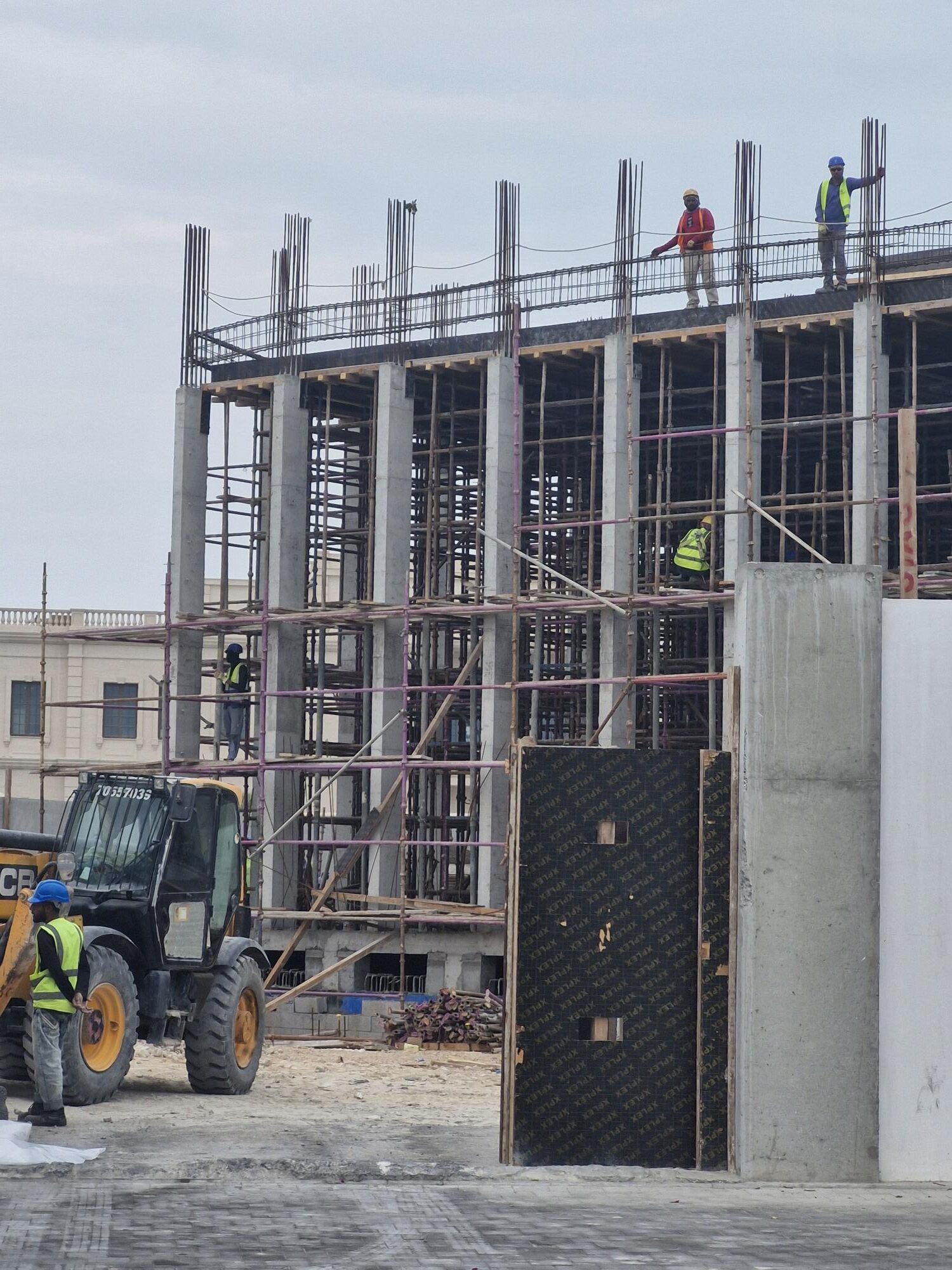
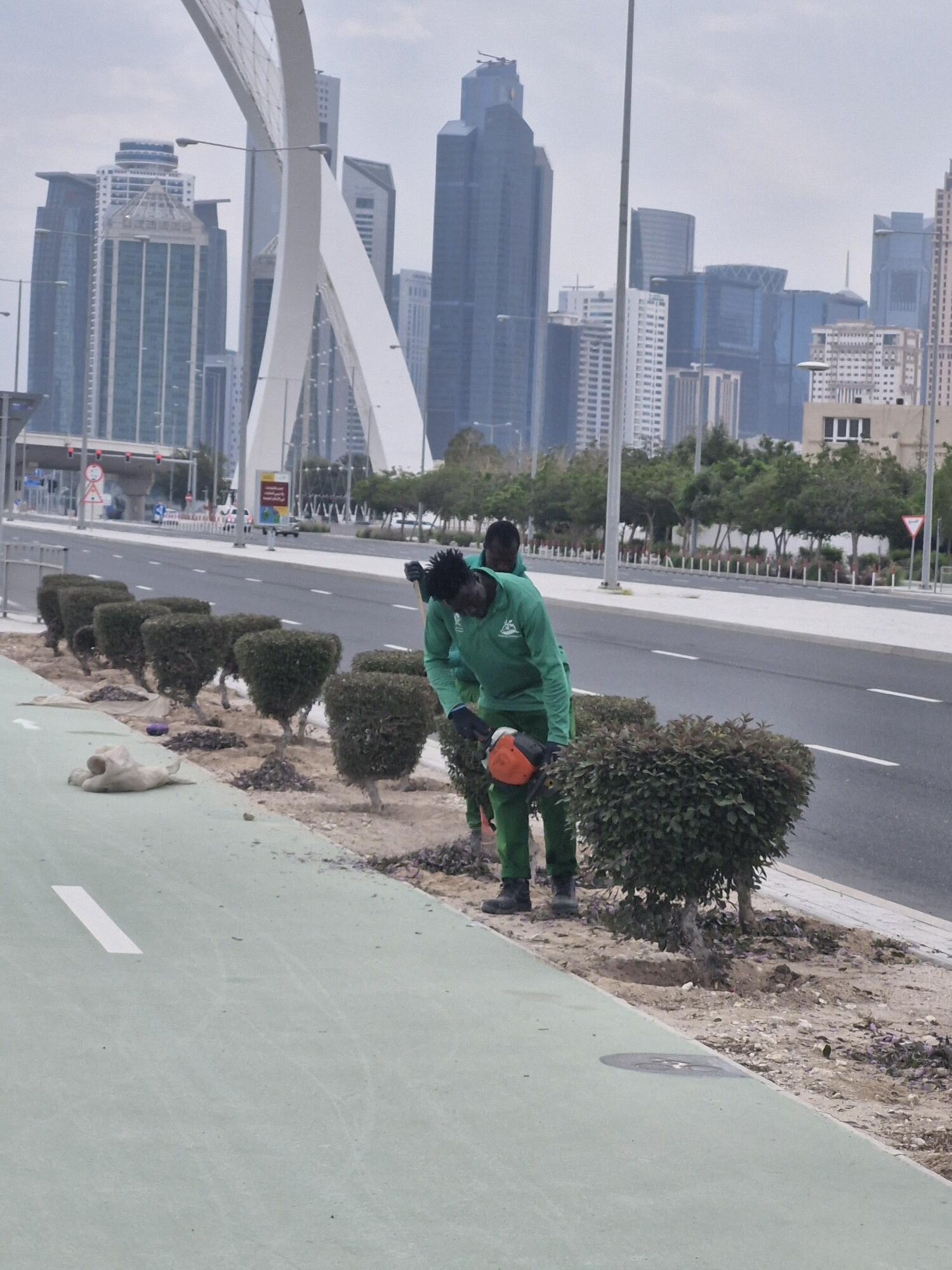
Two weeks into the conflict, the shops are still open and full of supplies, work is ongoing, there are cars on the roads and the call to prayer continues in what is the holy month of Ramadan.
We’re still working, shopping, scrolling, watching, reading, exercising, cooking, buying, studying, sleeping, laughing and even popping out to have our toes painted (not me personally) but all is ongoing …
Except we now do the ordinary in a constant state of underlying uncertainty.
We do all this knowing the apparent external normalness of our lives can change in a heartbeat.
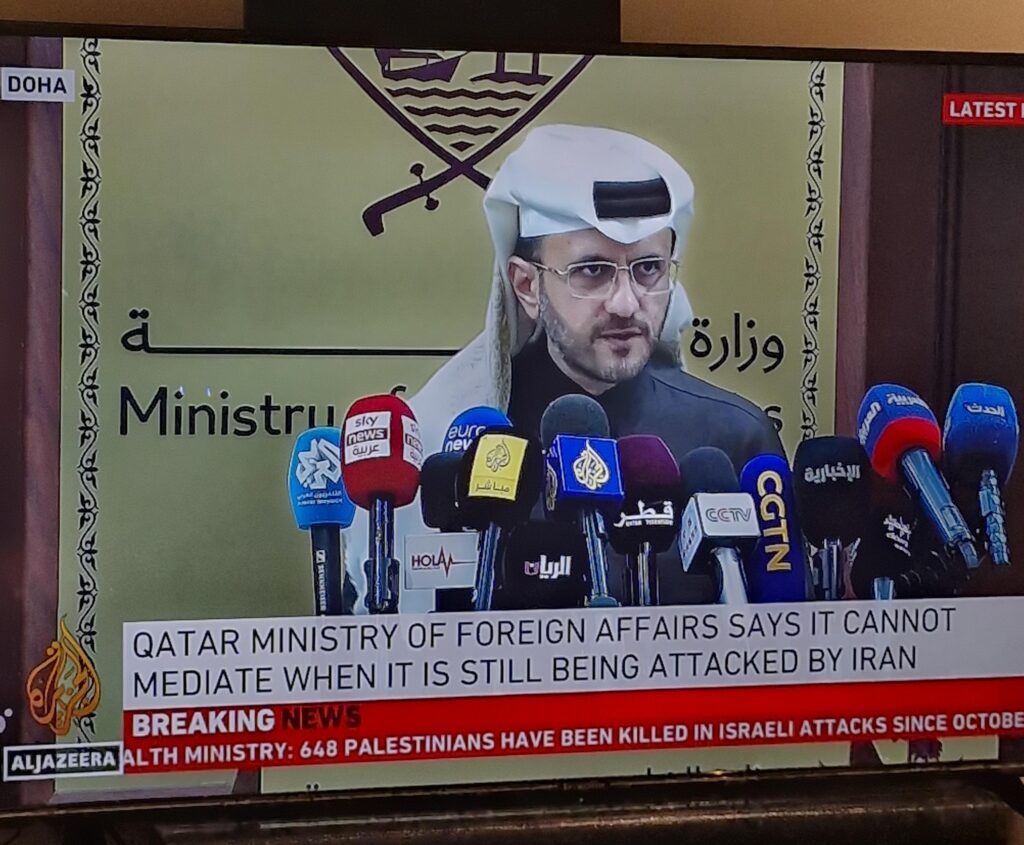
After all, we have been living with an average of two national emergency alerts daily, followed by a barrage of sonic booms as missiles rain down on Qatar from Iran. There were three attacks yesterday and one, thus far, today (12 March).
(Qatar and the Gulf countries have found themselves under attack from Iran because of its US military assets. But these targeted strikes have been expanded to include key energy and other national resources.)
Everyone has their own take on life in Qatar right now, and I can only speak for mine.
So, for what it’s worth, here’s an update on:
- What life is like now (this may change within the next 24 hours)
- What we have learnt (new knowledge, new rhythms, and the reality of a country that is as good as its word), and
- The Kiwi missionaries who were stranded in Doha
Life now in Qatar
Life is understandably “squirly” right now as we navigate the “new normal” (we’re having COVID lockdown flashbacks). We’re endeavouring to adapt to a new rhythm in a country doing its best to keep us safe and bring a peaceful end to the hostilities by our “brotherly” neighbour, Iran.
I am still working from home, as is the H.
By way of background, we like living in Qatar.
We have lived here for more than four years. Our work is fulfilling. We have many good friends (though many have left). We lead a comfortable, convenient and enriching life.
In Qatar, everything works.
And that everything, oh-so-thankfully, includes the country’s armed defence systems.
This tiny peninsula country has kept us and about 3 million others safe thus far (16 injuries), with its estimated interception rate of 97% from Iranian attacks.
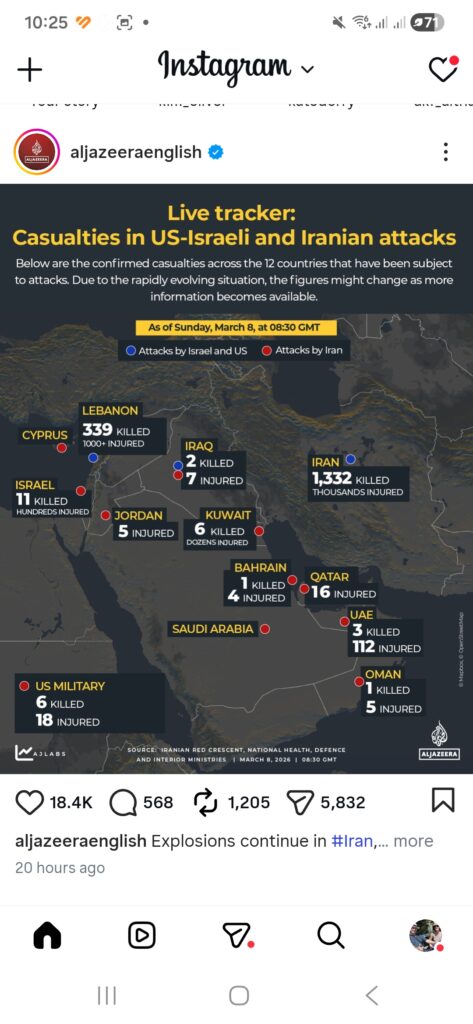
This safety record, and our own personal allegiances, means we presently have no plans of leaving.
But I can only speak for us – and for right now. The situation remains fluid.
Many have left. And many are still trying to leave. Each to their own. No judgment.
The first voluntary repatriation flight to South Africa will leave today (Thursday, 12 March) in one of very few such flights to depart from Doha’s Hamad International Airport.
Up till now such aerial repatriation trips have been from Muscat in Oman and Riyadh in Saudi Arabia.
We learn daily in Qatar
Apart from the unfolding news (I recommend following Al Jazeera English because they have correspondents on the ground in every country affected by the present conflict), we learn new things daily.
Not least about ourselves.
Brain freeze in a conflict
Did you know, for example, that a sudden explosion triggers a primitive “freeze” response in the brain?
Now I know why the moment the scary emergency alert blasts through on our phones, or a sonic boom reverberates through the house, I stay glued to where I am.
I well remember the night the bombs fell in June 2025; I turned around three times with tray and supper in hand before finally deciding where to put it down.
Now however, thanks to an online smorgasbord of crisis guidelines posts, I know to splash ice-cold water on my face or name an object in the room for every letter of the alphabet.
But mostly I just amble about before resuming whatever I was doing prior to the sudden assault on my senses.
I suspect we may be beginning to normalise these alerts.
I am told, for example, that when the phone alarms go off in public spaces, people momentarily acknowledge the noise and what it means, and then go back to their everyday lives.
I should imagine it’s much like the eventual public response to loadshedding in South Africa when suddenly plunged into darkness at the shopping mall – a quiet exasperated gasp before carrying on as before.
Anyway, as things go here, I also try to “silence the echo” by putting my phone down from time to time.
Fear mongering (scrolling) in Qatar
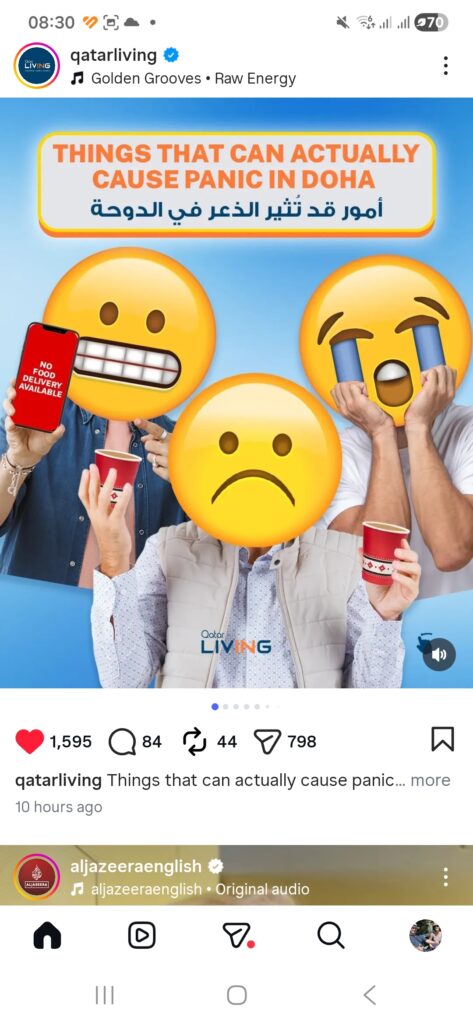
There’s much to support the latter. Addictive scrolling that may make you more anxious than ever.
Unfortunately, the media feeds off drama and trauma. And, this is in turn, elevates people’s fears and the concerns of those far away.
Of course, there’s plenty of disinformation and misinformation out there, too.
And Qatar is having none of it.
Rule of law in Qatar
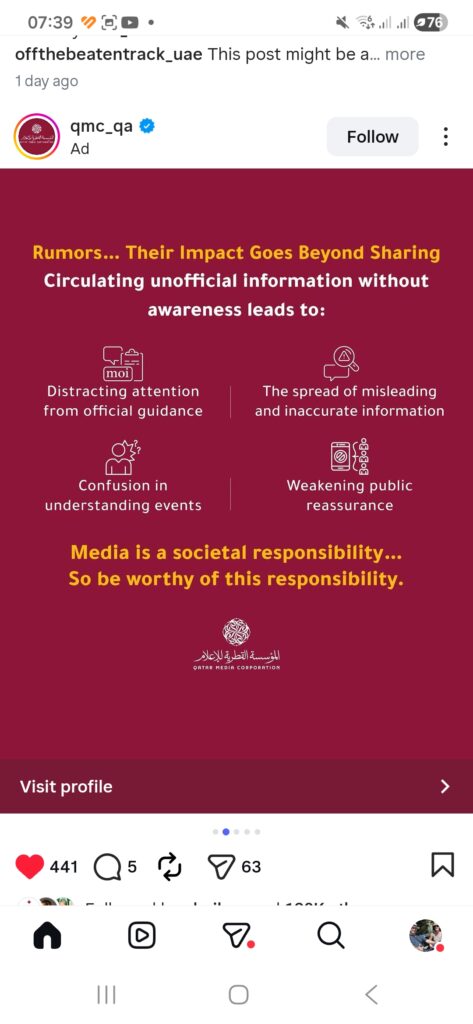
There have been repeated official warnings about not sharing false or sensitive information, like where missile debris has landed, for example. There are official platforms for reporting this.
But do people listen?
At least 313 people have been arrested in Qatar for sharing footage and “misleading information” to date.
And 39 vehicles were seized this week for emitting “loud and disturbing noise” on public roads.
The latter we can all appreciate. I mean, moving furniture about right now if in close proximity to others is enough to send your neighbours into orbit.
As shared, we’re all a bit edgy not knowing what might happen when and where.
(Coincidentally, an emergency alert has gone off – it’s 12.36pm on Wednesday, 11 March – just as we’re about to enjoy lunch. We count seven booms. There may have been more. Qatar is trying to intercept these “threats” before they reach land to stave of the secondary challenge of falling debris. It’s the second such missile attack today. And then there was a third.)
Bomb facts
Now about these bombs. They are missiles and drones, actually.
We have been bombarded with information about them – the types, the cost and the impact.
And none of it makes for positive reading or viewing.
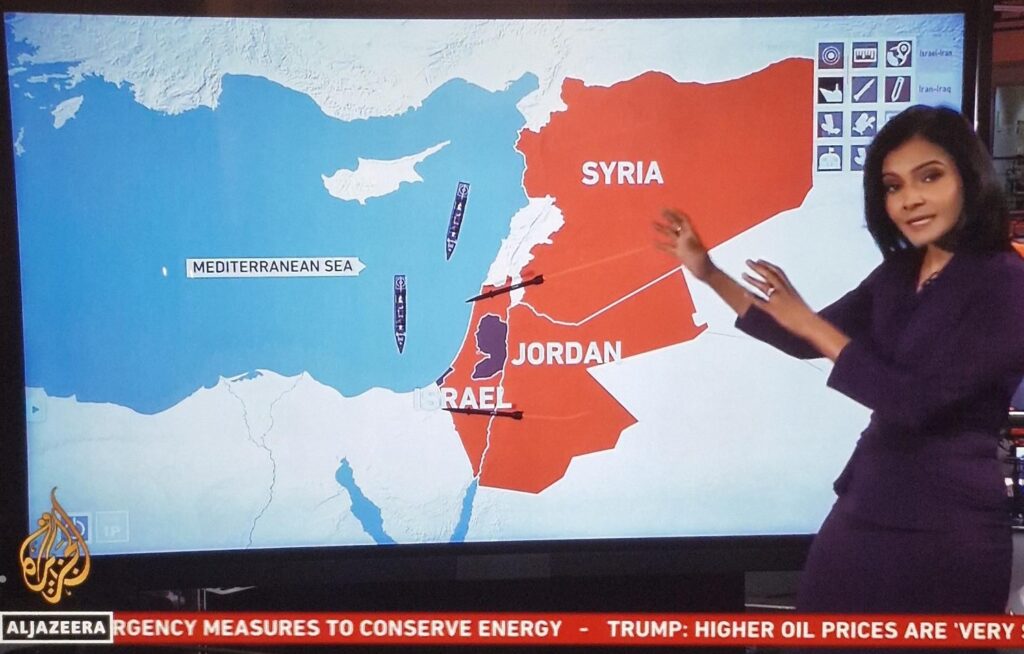
Ballistic missiles are the long-range strategic ones, while cruise missiles are the low-flying, self-propelled ones and they both cost between $1m and $10m dollars dependent on the size.
And the defence machinery, such as Qatar’s Patriotic (PAC-3) Defence missiles, cost even more at around $4m. Qatar intercepted 63 such targets on day 1 alone. You do the maths … Not to mention, the financial damage to the economy.
But it’s the cost of life that should matter most. Every death due to war is one death too many.
Now before this gets too grim (because every conflict is grim), I have some light relief – good news, in fact.
Our Kiwi couple
Remember the New Zealand missionaries who found themselves stranded in Qatar as the war broke out on 28 February, and who hunkered down with us?
Many of you have asked how they are doing.
Well, if my calculations are correct and our prayers have been answered, our Kiwi couple should have finally reached their home in Christchurch, New Zealand, today!
And, all with only hand luggage.
They will have travelled more than 28 000 kilometres via four different countries to reach home after an initial week of “sitting it out” with us.
They left Doha on Friday, 6 March, heading overland in a shared taxi to our daughter and son-in-law in Saudi Arabia. They were due to jet out of Riyadh for London, the following day.
But that flight was postponed and so it was off to Jeddah they went and then onto London where they spent a night with relatives.
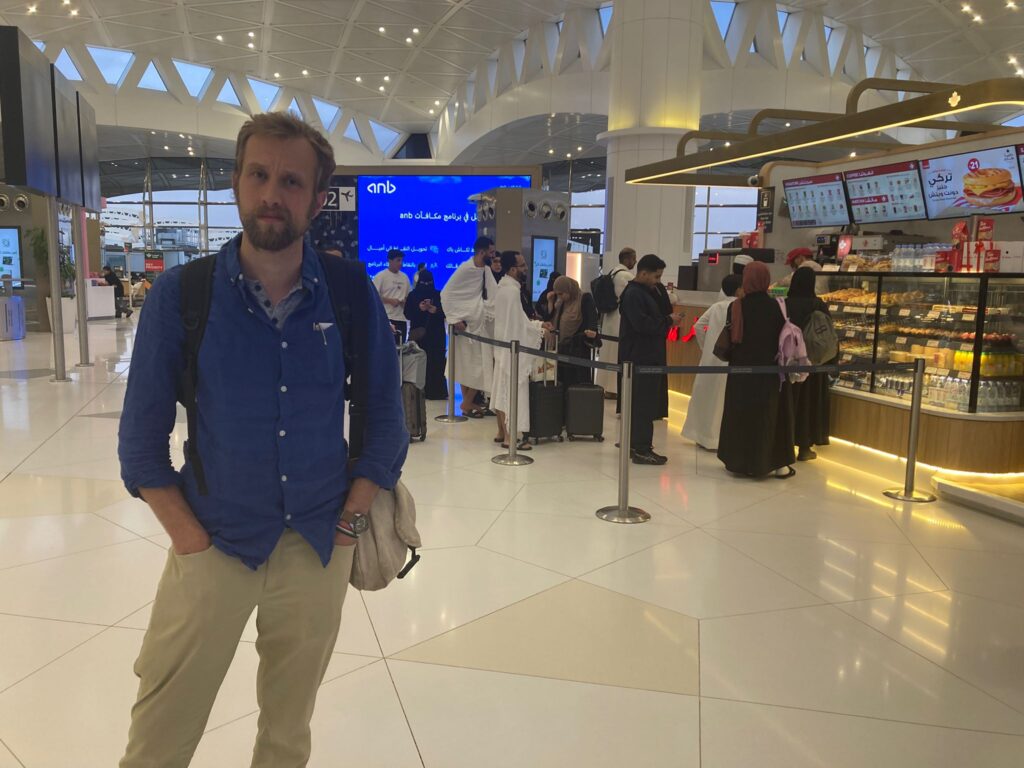
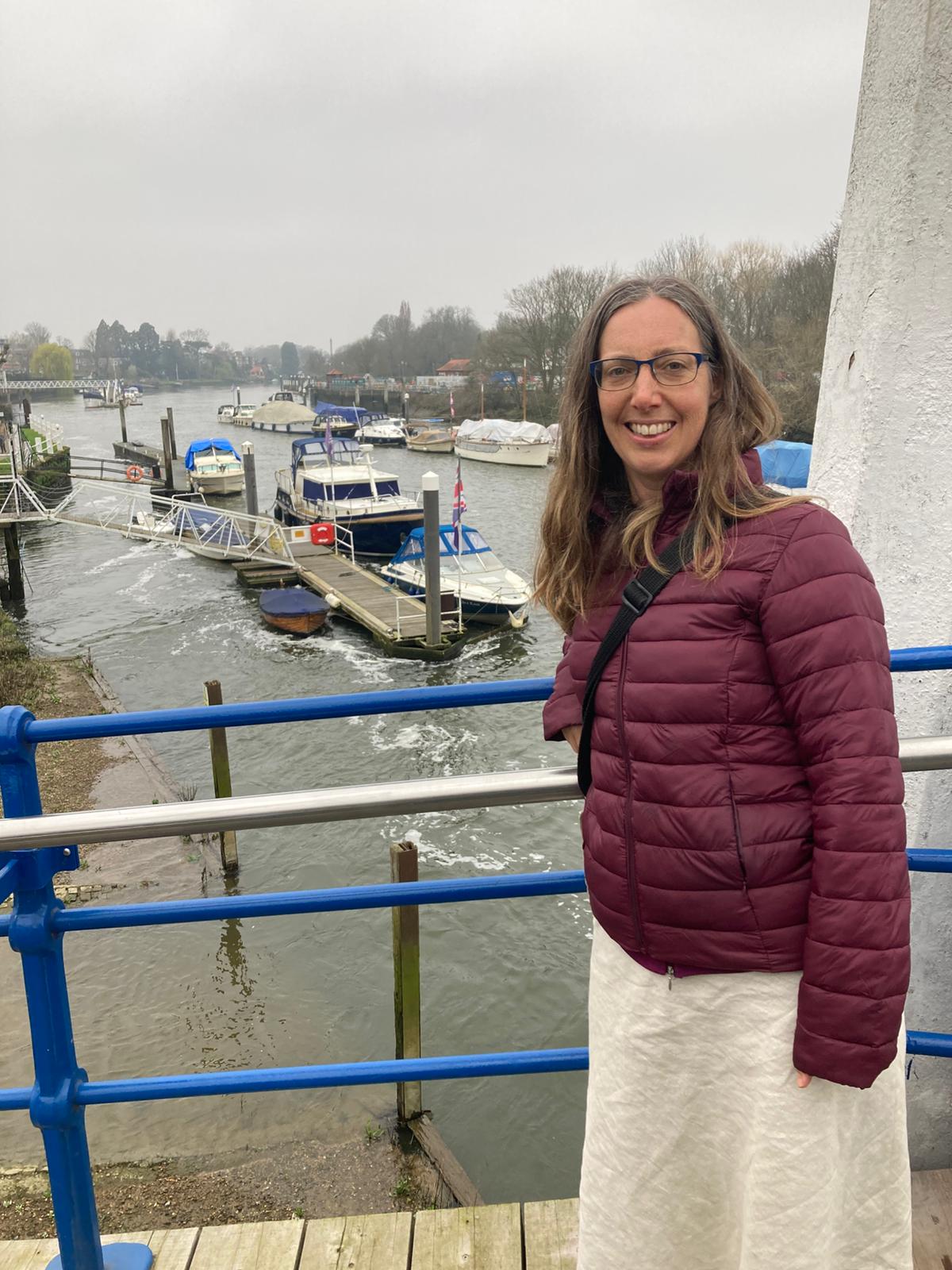
From there they flew to Shanghai, China, then to Auckland and finally, to Christchurch, more than two weeks after they were due to arrive home!
No doubt, there are hundreds of similar stories – of people navigating their way home and safety.
Appreciation
As for us, a shout-out for your ongoing messages and concern.
We appreciate each and every one of them and give thanks to God for His provision and protection.
And while life goes on for us in a semi-state of normalcy, our hearts go out to those at the rock face of what is unfolding across the region.


Leave a Reply